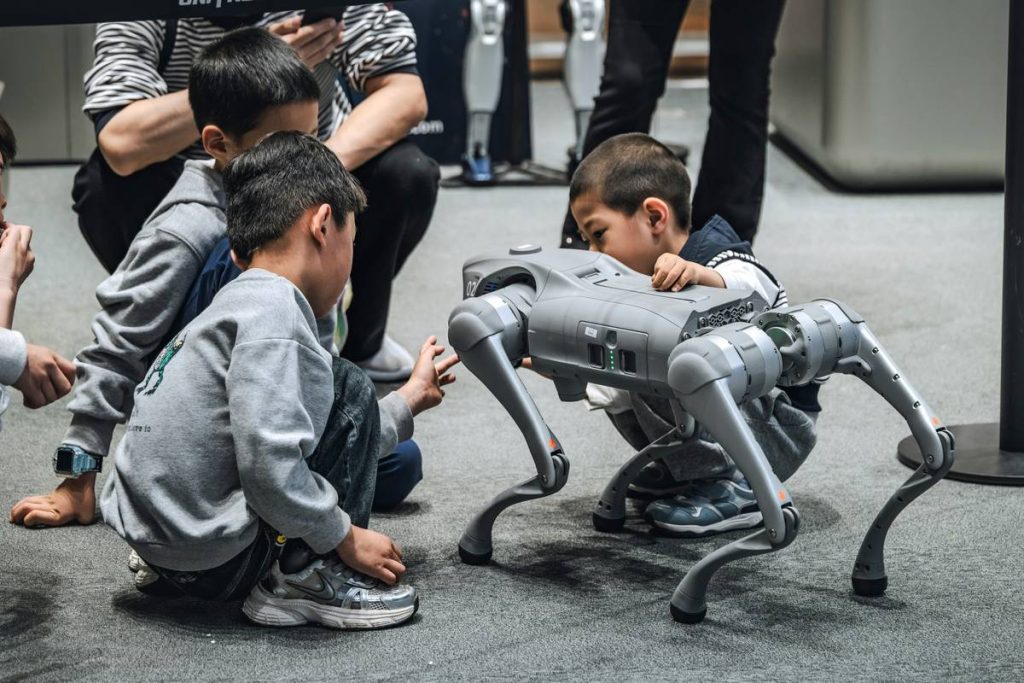
You want to program robots—not just move blocks on a screen. But most “robotics courses” drown you in theory while your hardware gathers dust. Frustrating? Absolutely. The gap between code and motion feels wider than ever. Here’s the fix: skip the fluff, start with action. In this guide, you’ll learn how to learn robotics programming through doing—not watching.
Why Most Learners Never Touch Real Robot Code
They begin with ROS tutorials before they can blink an LED. And it backfires—hard. Universities push abstract control theory while hobbyists glue together Arduino kits with zero understanding of feedback loops. The result? You memorize syntax but can’t debug why your robotic arm jerks like it’s possessed.
Here’s the reality: robotics programming isn’t about languages—it’s about closed-loop thinking. If your learning path doesn’t force you to measure, act, and adapt in real time, you’re not learning robotics. You’re just coding with extra steps.
How to Learn Robotics Programming: Your Action-Based Path
Forget linear curricula. Build, break, fix—that’s the only loop that matters. Start small, but start physical.
Pick Your Entry Point Based on Your Background
If you’ve never coded, begin with Python + microcontrollers. If you’re already fluent in C++, jump into embedded RTOS. Your foundation dictates your first robot—not some arbitrary “beginner” label.
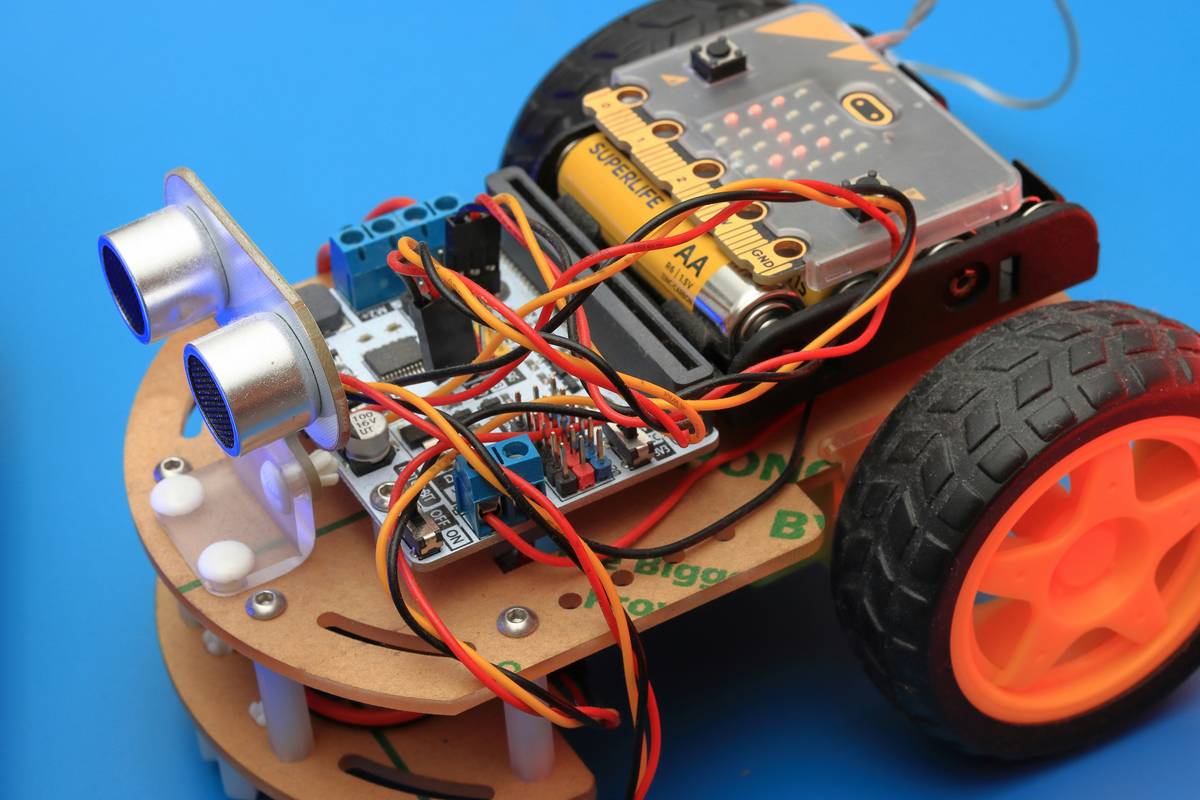
Master These 4 Core Concepts (In Order)
- Sensing & Actuation: Read a sensor, drive a motor. Period.
- Feedback Control: PID loops aren’t optional—they’re oxygen.
- State Machines: Real robots don’t run scripts. They react.
- System Integration: Make vision, navigation, and motion talk.
Tool Stack Comparison: What Actually Works in 2024
| Approach | Hardware Cost | Time to First Motion | Scalability |
|---|---|---|---|
| Arduino + Basic Sensors | $30–$70 | <2 hours | Low (great for fundamentals) |
| Raspberry Pi + ROS 2 | $80–$150 | 1–3 days | High (industry-relevant) |
| Simulation-only (Gazebo/Webots) | $0 | Immediate | Medium (but risky without hardware context) |
| Commercial Kits (LEGO Mindstorms, etc.) | $200+ | <1 hour | Very low (black-box limitations) |
The Industry Secret Nobody Talks About: Hardware Bugs Are Your Best Teacher
Most online courses hide hardware failures. In real labs? Wires fray. Sensors drift. Motors stall under load. And that’s gold. One senior engineer at Boston Dynamics told me: “We hire people who’ve smelled burnt MOSFETs.” Why? Because debugging a jittery servo teaches more about timing and interrupts than any textbook.
So—intentionally break things. Swap a 5V sensor onto a 3.3V rail. Overload a PWM channel. Then fix it. That pain rewires your brain for systems thinking. Simulation smooths over these edges. Reality doesn’t forgive them. Embrace the friction.
Frequently Asked Questions
Can I learn robotics programming without a degree?
Absolutely. Build functional projects—like a line-following bot with obstacle avoidance—and document your code and debugging process. Employers care about demonstrable control logic, not diplomas.
Which language is best for beginners in robotics?
Start with Python for high-level logic and rapid prototyping. But learn C/C++ soon after—you’ll need it for real-time firmware and performance-critical loops.
How long does it take to build a basic robot?
With focused effort: 2–4 weeks. Use a starter kit, implement sensing → decision → motion, and iterate. Speed matters less than closing the loop yourself.