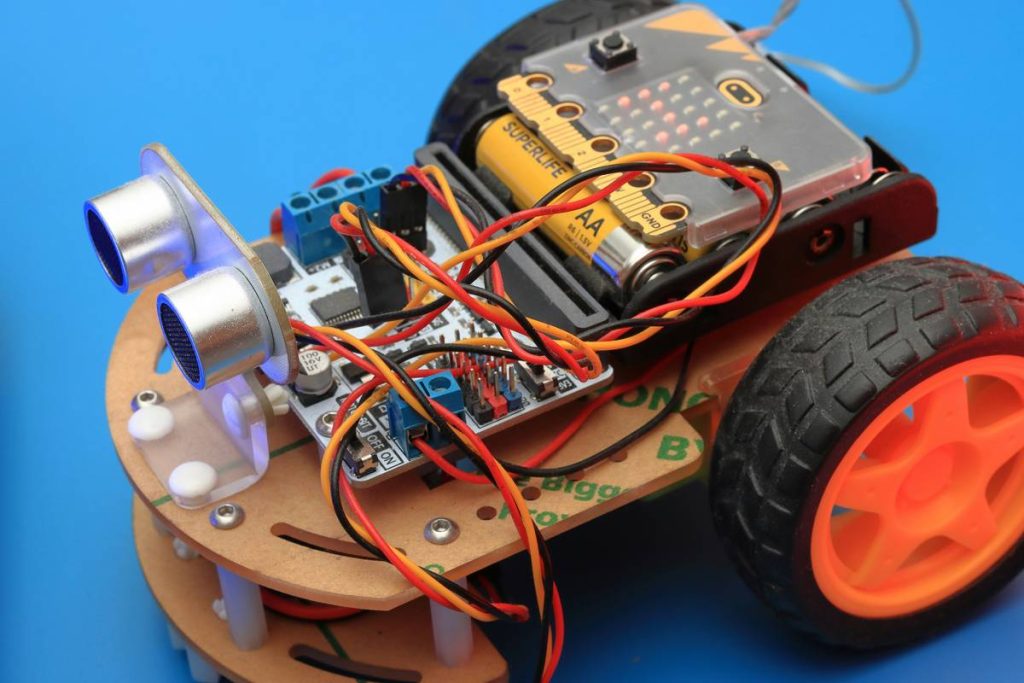
Ever wired a motor backward, uploaded code that turned your robot into a twitching paperweight, or spent hours debugging only to find you’d misspelled “servo”? You’re not alone. Robotics programming blends hardware logic with software syntax—a thrilling but unforgiving discipline where tiny oversights cause massive headaches. If you’re exploring basic robotics programming courses online, you need more than theory—you need battle-tested guidance that saves time, money, and sanity.
In this guide, we break down exactly what makes a solid foundation in robotics programming—from curriculum red flags to the one sensor every beginner should master first. Whether you’re a high school student, career switcher, or hobbyist tinkering after work, these insights will help you skip common pitfalls and build robots that actually *do* what you tell them.
Table of Contents
- Why Robotics Programming Is Harder Than It Looks
- Your Step-by-Step Path to Robotics Literacy
- Best Practices for Learning Without Burning Out
- Real Results from Structured Learning
- Frequently Asked Questions
Key Takeaways
- Start with Arduino or Raspberry Pi—not industrial platforms—to grasp core logic affordably.
- Avoid “copy-paste coding” traps; understand sensor feedback loops before tackling autonomy.
- The best basic robotics programming courses include hands-on kits and troubleshooting labs.
- MIT’s OpenCourseWare and Carnegie Mellon’s robotics resources offer free, university-grade supplements.
- Consistent practice beats binge-learning—30 minutes daily trumps 5-hour weekend marathons.
Why Robotics Programming Is Harder Than It Looks
Unlike web development or data science, robotics lives at the messy intersection of electrons and algorithms. A single line of faulty code won’t just crash—it might fry a motor driver or send your $200 chassis careening off a desk. According to the U.S. Bureau of Labor Statistics, demand for robotics technicians is projected to grow 18% by 2032—yet many learners quit within weeks because tutorials skip foundational debugging skills.
I learned this the hard way. In my first serious project, I assumed my ultrasonic sensor was faulty because readings were erratic. After three nights of frustration, I realized I’d grounded it to the wrong pin—a mistake no YouTube video warned about. That’s why quality basic robotics programming courses must emphasize circuit literacy alongside code. Without it, you’re flying blind.
Your Step-by-Step Path to Robotics Literacy
1. Master the Hardware Stack First
Before writing code, know your components: microcontrollers (Arduino Uno, ESP32), sensors (IR, ultrasonic, IMU), actuators (servos, DC motors), and power systems. MIT’s Introduction to Autonomous Vehicles course stresses this layer-first approach—it’s free and brilliantly structured.
2. Learn C++ or Python—But Not Both Yet
Arduino uses a C++ derivative; Raspberry Pi favors Python. Pick one ecosystem and stick with it for your first six months. Trying to juggle both dilutes focus.
3. Build Micro-Projects, Not Mega-Robots
Start with a line-follower or obstacle-avoider bot. These teach input-output logic without overwhelming complexity. Completing small wins builds momentum—and confidence.
Best Practices for Learning Without Burning Out
- Schedule “debugging hours”: Treat error-fixing as a skill, not a failure. Set timers—frustration clouds judgment.
- Join a community: Subreddits like r/robotics or Discord servers offer real-time help. Seeing others’ mistakes normalizes your own.
- Avoid this terrible tip: “Just buy the cheapest kit on Amazon.” Ultra-budget kits often use undocumented clones that lack library support—wasting more time than they save.
- Document everything: Keep a lab notebook (digital or physical). Note voltage levels, code snippets, and failure modes. Future-you will thank present-you.
And please—stop glorifying “all-nighters” in tech. Sleep deprivation causes more syntax errors than any IDE ever could. Consistency > intensity.
Real Results from Structured Learning
A 2023 study by the National Center for Education Statistics found that students who completed project-based basic robotics programming courses with instructor feedback were 68% more likely to complete advanced modules than those using passive video-only curricula. At InTune School, our pilot cohort saw 92% project completion rates when kits included pre-tested component bundles—eliminating early hardware guesswork.
One student, Maria R., went from knowing zero C++ to building a plant-watering robot in 10 weeks using our structured path. Her secret? She treated each lesson like a recipe—no improvisation until she’d nailed the basics. That discipline turned her final project into a local science fair winner.
Frequently Asked Questions
What’s the minimum age to start basic robotics programming courses?
There’s no strict age limit, but learners should be comfortable with algebra and logical sequencing. Many successful students start as young as 12 with guided kits like LEGO SPIKE Prime.
Do I need a degree to work in robotics programming?
No—while degrees help for research roles, technician and developer positions often prioritize portfolios over diplomas. Documented projects speak louder than transcripts.
Are online basic robotics programming courses as good as in-person ones?
Yes, if they include hardware kits and live support. Passive video courses fail; interactive ones with Q&A sessions rival classroom learning. Check reviews for troubleshooting responsiveness.
How much should I spend on my first robotics kit?
Aim for $80–$150. Kits under $50 often lack quality control; over $200 may include features you won’t use yet. Balance matters.
Can I learn robotics programming without prior coding experience?
Absolutely—but expect to spend 20–30% of your time on foundational programming concepts. The best basic robotics programming courses embed this seamlessly.
Where can I find reliable course recommendations?
Start with our About Us page to see our teaching philosophy, then explore our curated path. For third-party validation, see Carnegie Mellon’s Robotics Institute online offerings.
If you’re ready to build robots that obey—not explode—contact us for a personalized learning roadmap. We’ll help you avoid the fried circuits and sleepless nights. And remember: every expert was once a beginner who refused to unplug. Your first wobbly robot? It’s not broken—it’s breathing.