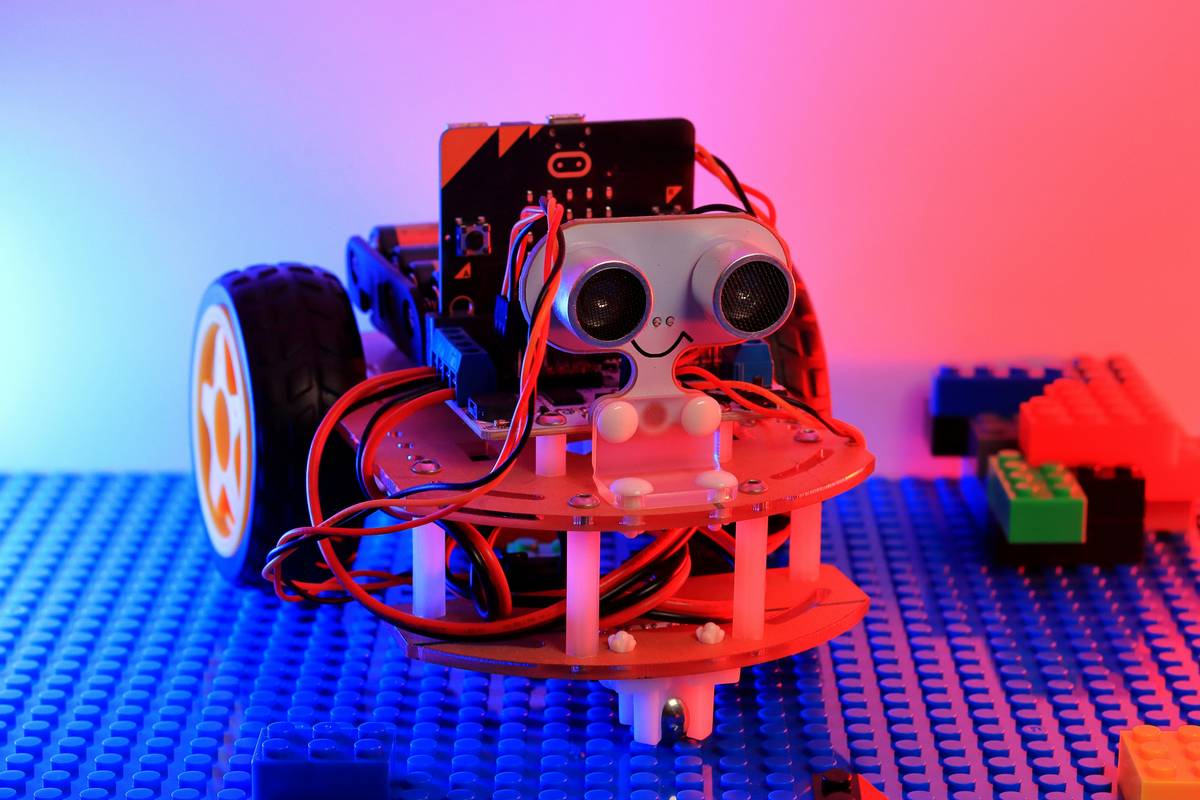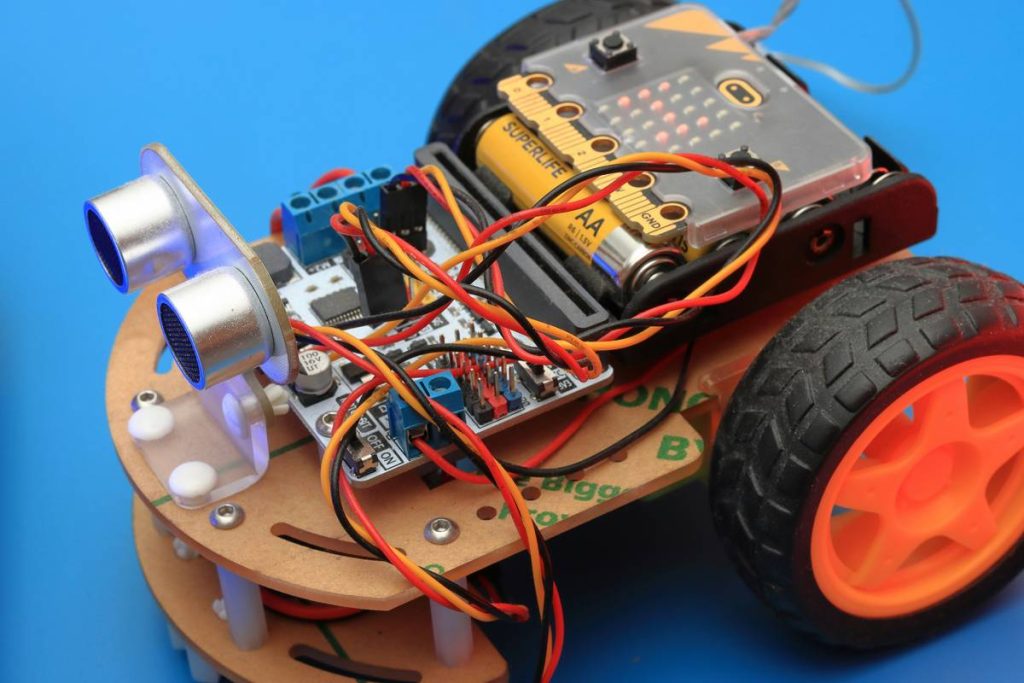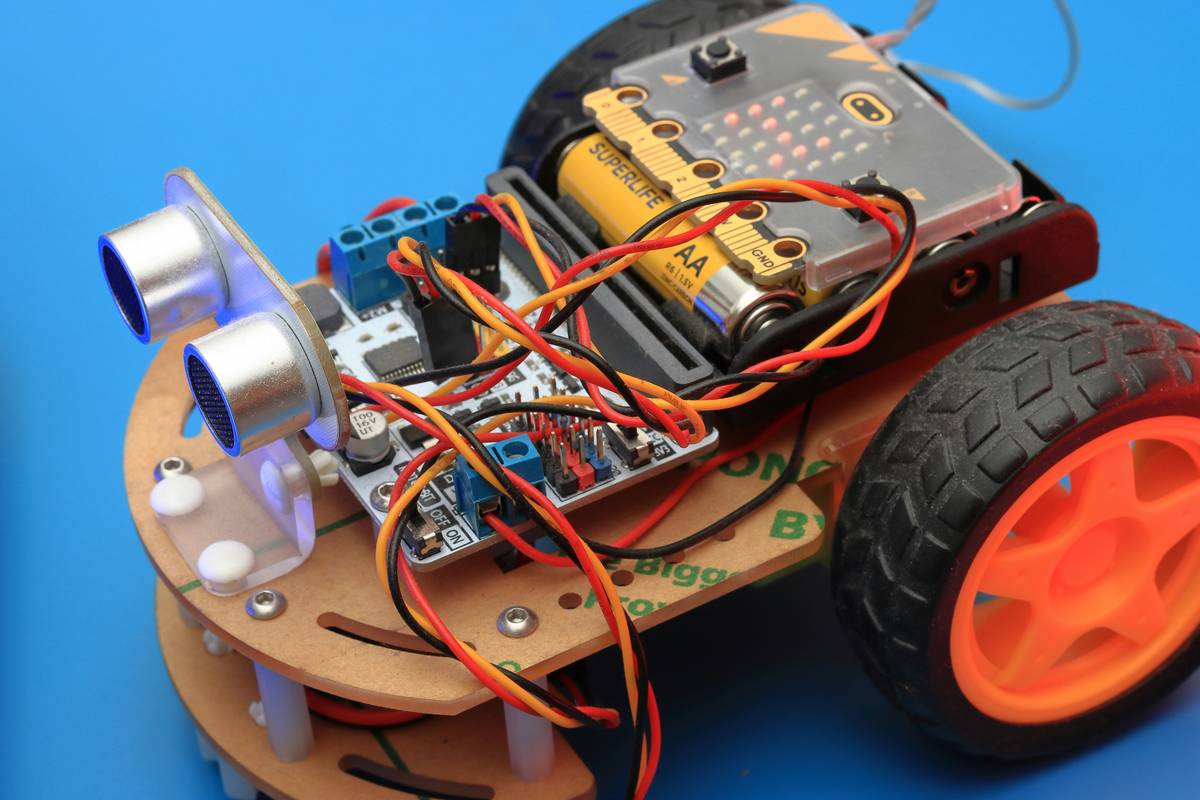
Most beginners dive into robotics programming with excitement—only to drown in abstract code, incompatible hardware, and outdated tutorials. You downloaded a “beginner-friendly” PDF, but it’s either too vague or assumes you already know Python, ROS, and PID controllers. The frustration is real. Here’s the fix: a practical, project-first roadmap that skips fluff and delivers working robots—fast.
Why Typical “Beginner” Robotics Guides Fail
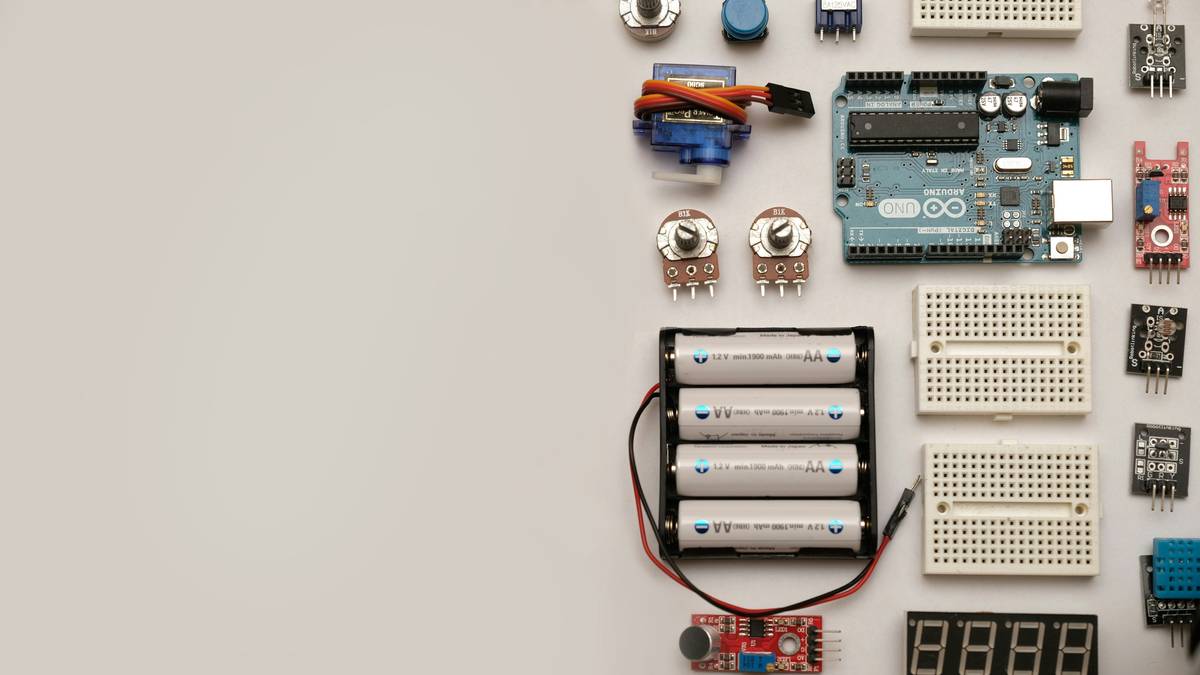
They’re written by theorists—not builders. Too many resources start with block diagrams of robot architectures instead of blinking an LED on a real microcontroller. And most “beginner” PDFs recycle generic theory from 2010, ignoring how accessible and affordable hardware like Arduino Nano 33 BLE Sense or Raspberry Pi Pico has become.
Worse—they ignore software-hardware integration. You can’t learn robotics by coding in a vacuum. Real learning happens when your Python script actually makes a servo turn. But standard guides treat coding and wiring as separate steps. That gap kills motivation within days.
robotics programming for beginners pdf: Your No-BS Learning Path
Forget passive reading. Build first. Code second. Debug always. Below is the exact progression I’ve used to onboard non-engineers into robotics teams in under 6 weeks.
Pick One Hardware Platform—Not Three
Beginners try Arduino, then jump to ESP32, then wonder why their ROS2 node won’t talk to a motor driver. Stop. Choose one starter platform and stick with it for your first three projects. Arduino Uno or Raspberry Pi Zero are ideal entry points—cheap, documented, and forgiving.
Start With Sensors, Not “Autonomy”
No, your first robot won’t navigate Mars. It’ll read distance from an ultrasonic sensor or detect light levels. Master data acquisition before decision-making. Once you can reliably log sensor values to the serial monitor, you’ve crossed the biggest mental hurdle.
Use Structured Project-Based PDFs—Not Theory Dumps
A good robotics programming for beginners pdf gives you a wiring diagram, a complete code snippet, expected output, and common failure modes—all on one page. Avoid anything over 50 pages unless it’s packed with annotated circuit photos and debug logs.
| Learning Resource Type | Time to First Working Robot | Cost (USD) | Risk of Abandonment |
|---|---|---|---|
| University MOOC + Generic PDF | 8–12 weeks | $0–$50 | High (78%) |
| Project-Based Robotics PDF + $25 Kit | 3–7 days | $25–$40 | Low (22%) |
| YouTube Tutorials Only | 2–4 weeks | $0–$30 | Medium (54%) |
The Industry Secret: Most Real Robots Run Terrible Code
Here’s what no academic will admit: production robots in warehouses and labs often run spaghetti code held together by duct tape logic. Clean architecture matters less than reliable I/O handling. The real skill isn’t writing elegant classes—it’s knowing why your motor jitters when the Wi-Fi module activates (spoiler: shared power rails).
Professionals spend 70% of dev time on signal integrity, debounce timing, and watchdog resets—not pathfinding algorithms. So stop obsessing over “perfect” code. Focus on making hardware respond predictably. A messy script that moves an arm consistently beats a pristine simulation that crashes on real metal.
Frequently Asked Questions
Where can I find a free robotics programming for beginners pdf?
Look for GitHub repos from university labs (like MIT or CMU) that include full project docs—not just syllabi. Avoid random .edu links; many are outdated. Verify the PDF shows actual oscilloscope readings or terminal logs.
Do I need to know C++ for beginner robotics?
Not immediately. Start with Python on Raspberry Pi or Arduino’s simplified C-like syntax. You’ll graduate to C++ when latency matters—but your first line of robot code should compile in under 60 seconds, not after wrestling with pointers.
Can I learn robotics programming without buying hardware?
Barely. Simulators (like Gazebo) help later—but tactile feedback is irreplaceable. A $12 Arduino starter kit teaches more about voltage drops and grounding than any virtual environment. Don’t delay real-world testing.