You’ve watched the tutorials. You’ve installed ROS. You’ve even wired up a servo or two. But when it comes time to make your robot actually think—really react to its environment—you’re stuck. Why? Because learn computer programming for robotics isn’t about stitching together code snippets; it’s about building layered intelligence. Most beginners drown in abstraction before they ever touch metal.
Why Traditional Coding Courses Fail Robot Builders
Standard programming curricula teach you variables, loops, and functions—but skip the messy reality of latency, sensor noise, and real-time decision cycles. A Python script that sorts lists won’t help when your LiDAR feed glitches mid-autonomous navigation.
And university CS departments? They treat robotics as an elective afterthought—not the interdisciplinary beast it really is. You need control theory, embedded systems, and state machines—not just clean syntax.
The result? Frustrated learners who abandon projects after their first motor jitter.
How to Learn Computer Programming for Robotics: A Practical Roadmap
Forget theory-first. Start with behavior. Here’s how:
Start with Simulation Before Touching Hardware
Use Gazebo, Webots, or NVIDIA Isaac Sim. Test logic without burning out ESCs. Debugging is 10x faster when you’re not chasing loose wires.
Master One Language Deeply—Then Expand
Python dominates rapid prototyping. C++ rules performance-critical nodes. Pick one based on your goal: research (Python) or deployment (C++). Don’t juggle both early on.
Integrate Real Sensors Early—Even Cheap Ones
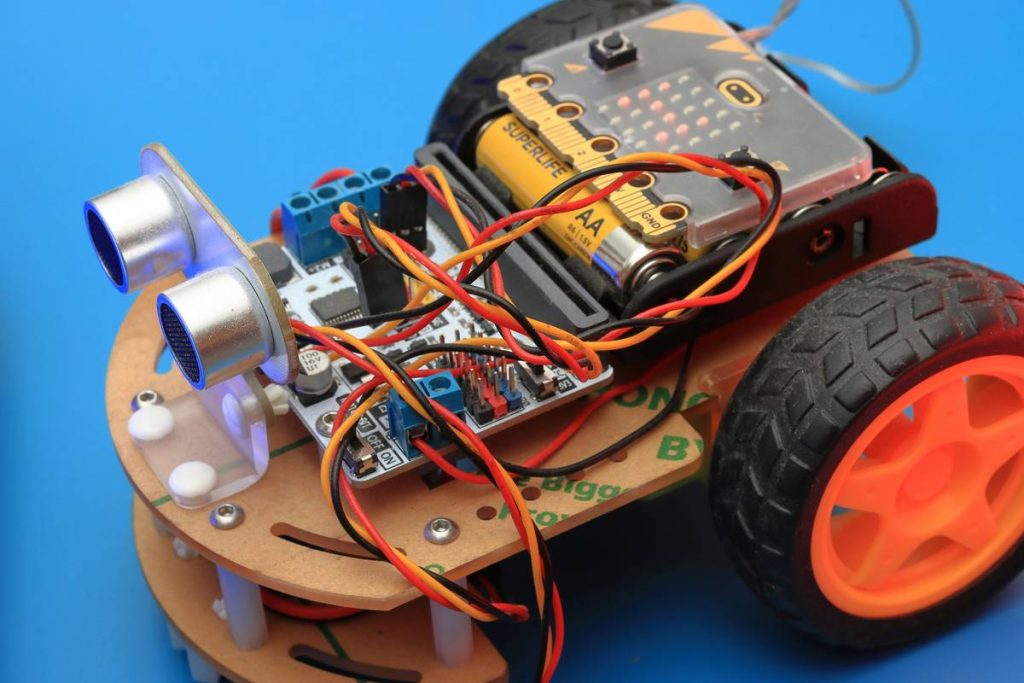
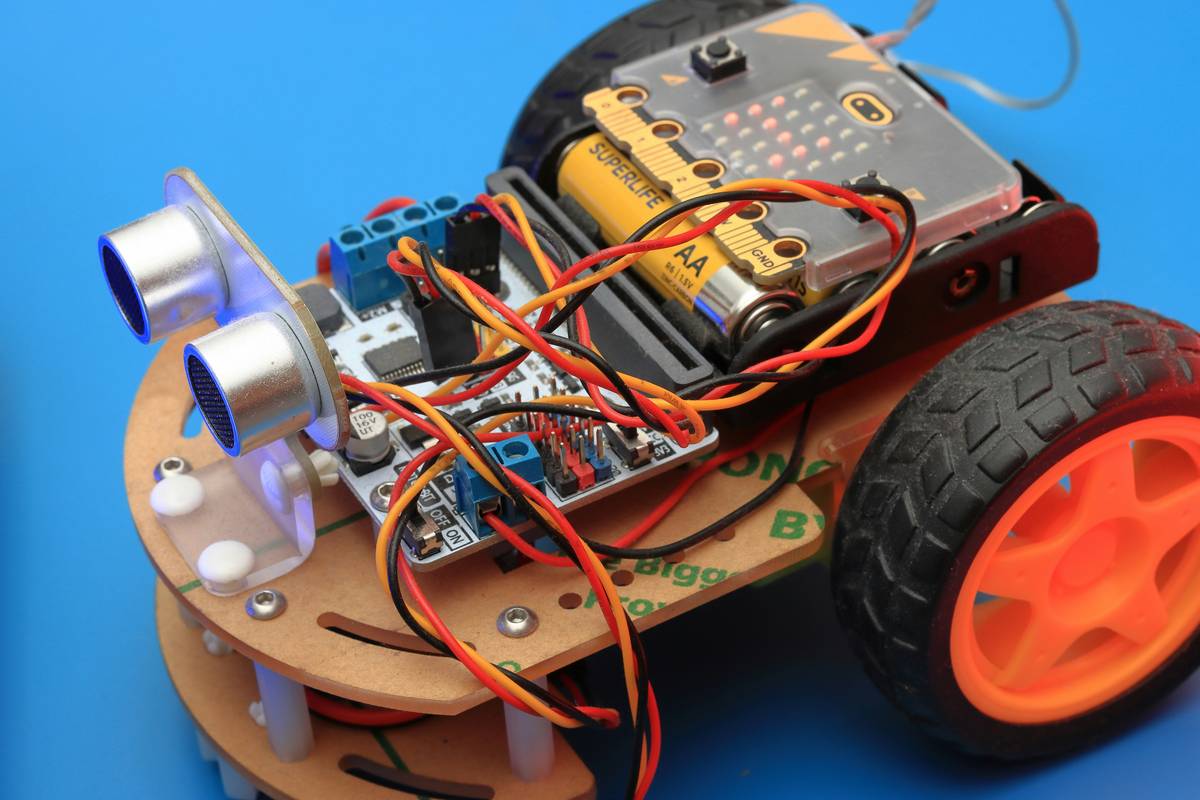
Grab a $5 ultrasonic sensor or a Raspberry Pi camera. Feed real data into your logic loop. Synthetic datasets lie. The real world stutters, drifts, and drops packets.

| Approach | Time to First Functional Behavior | Hardware Cost | Risk of Early Burnout |
|---|---|---|---|
| Academic CS Path (Algorithms → OS → Robotics) | 6–12 months | $0–$200 | High |
| Project-First (Build → Code → Refine) | 2–4 weeks | $50–$300 | Low |
| Hybrid (Sim + Minimal Hardware) | 1–3 weeks | $0–$100 | Very Low |
The Industry Secret No One Talks About
Top robotics engineers don’t write “robot code.” They write glue. The magic isn’t in monolithic programs—it’s in orchestrating microservices that talk over ROS topics, MQTT, or ZeroMQ. Your job isn’t to control every motor cycle; it’s to design message contracts between perception, planning, and actuation layers.
Here’s the reality: A self-driving stack might have 37 nodes running concurrently—each written by a different engineer. Your value? Making them cooperate reliably under 200ms latency ceilings. That’s why learning distributed systems basics matters more than memorizing PID equations.
Frequently Asked Questions
What programming language is best to learn computer programming for robotics?
Python for prototyping and research. C++ for production systems requiring real-time performance. Many pros use both—Python for high-level logic, C++ for drivers.
Do I need a degree to work in robotics programming?
No. Portfolio projects demonstrating sensor fusion, path planning, or control loops matter more than diplomas. Build a GitHub repo that moves hardware—employers notice.
How long does it take to build a basic autonomous robot?
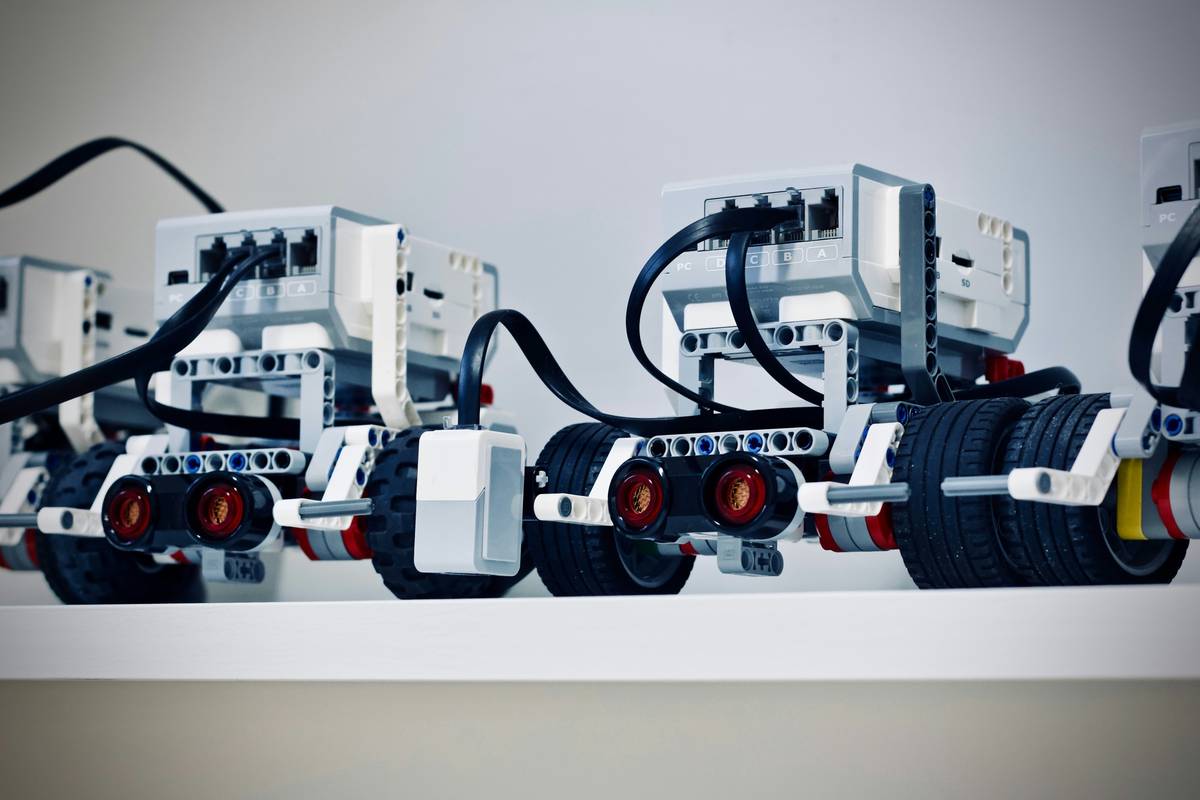
With focused effort: 4–8 weeks using simulators and affordable kits like TurtleBot or JetBot. Skip perfection—ship a wobbly bot that avoids walls. Iterate from there.