B.Tech students drown in robotic theory—but never touch a real servo. Lectures drone on about DH parameters while industry teams deploy ROS2 on warehouse bots. The gap? Brutal. You graduate with perfect grades and zero deployable code. Here’s how to fix it—starting today.
Why Most B.Tech Robotic Tutorials Fail Miserably
They’re designed for exams—not engineering. You memorize inverse kinematics formulas but can’t debug a faulty I²C bus. And the labs? Pre-wired Arduino kits with copy-paste code. Zero autonomy. Zero failure. Zero learning. Real robotics thrives in chaos—sensor noise, motor jitter, communication dropouts. Academic simulations hide all that. So you walk into internships clueless when a LiDAR spits garbage data at 3 a.m.
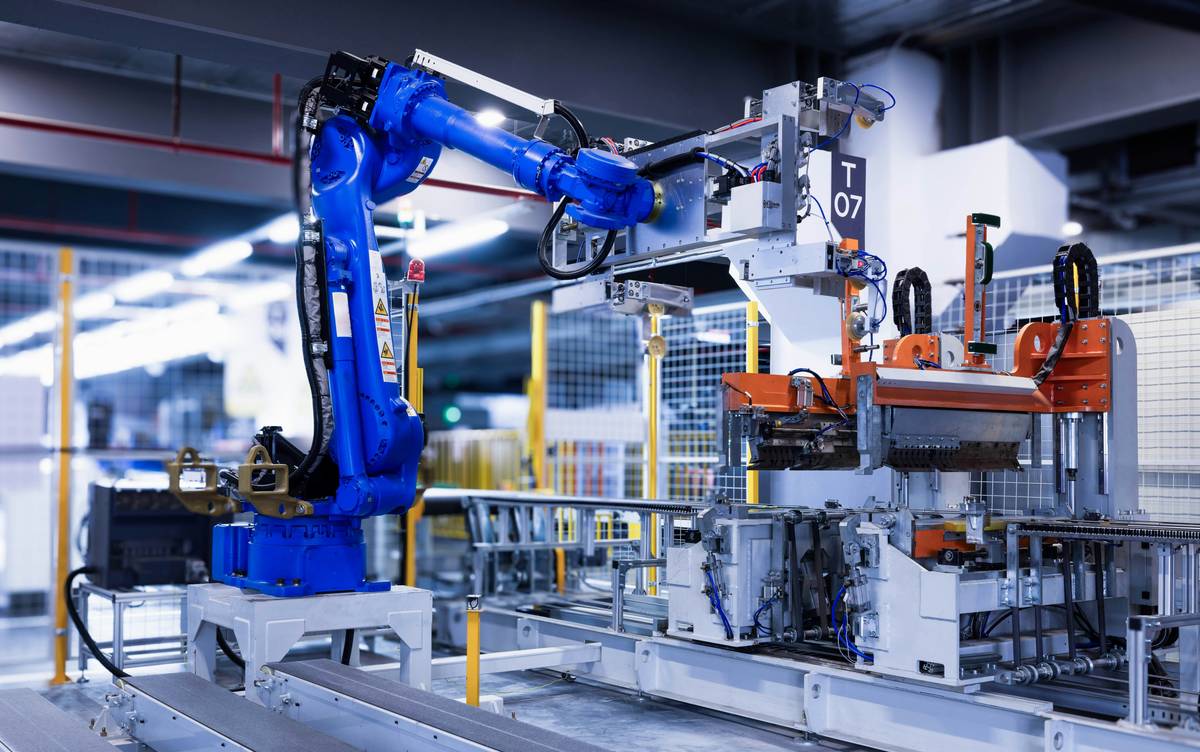
The curriculum hasn’t updated since 2010. Meanwhile, Boston Dynamics ships quadrupeds running reinforcement learning. Think about it: your “robotic arm” assignment uses hardcoded angles. Theirs adapts to terrain in real time.
computer science robotic tutorial b tech: From Classroom to Garage Lab
Forget syllabus checkpoints. Build something that moves, senses, and decides—on hardware you own. Here’s your 90-day sprint:
Step 1: Ditch Simulators Early (But Smartly)
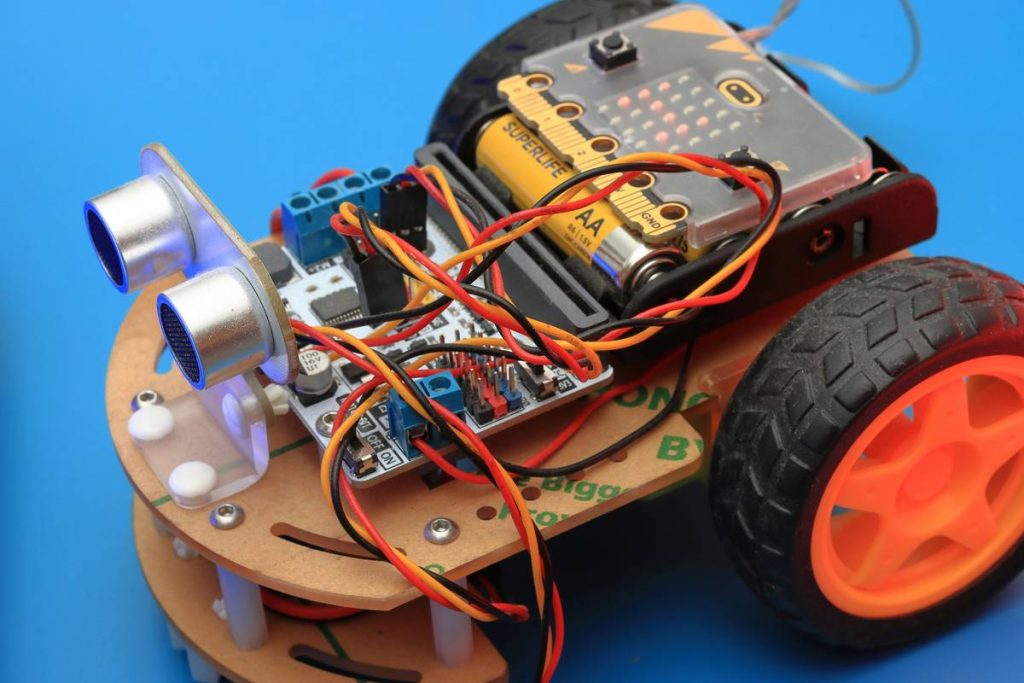
Use simulators only to validate logic—never as your primary playground. Start with physical components day one. A ₹2,500 Raspberry Pi Pico W + ultrasonic sensor teaches more than Gazebo ever will. You’ll learn power management, grounding issues, and why your code crashes when motors engage.
Step 2: Master the ROS2 Minimal Viable Stack
ROS1 is legacy. Industry runs ROS2 (Foxy or Humble). Install it on Ubuntu 22.04. Create a single node that publishes IMU data and subscribes to motor commands. No fancy launch files. Raw C++ or Python. Break it. Fix it. Repeat. This is what recruiters test for.
Step 3: Integrate Real-World Constraints
Force limitations: 8-hour battery life. 500ms latency cap. Budget under ₹8,000. Constraints breed creativity. Your bot must navigate a cluttered room using only time-of-flight sensors—not pre-mapped grids. Suddenly, your Kalman filter isn’t academic—it’s survival.
| Approach | Cost (INR) | Real Hardware? | Industry Relevance |
|---|---|---|---|
| University Lab Kit (Arduino Uno + Shield) | ₹3,200 | Yes (but locked-down) | Low — no ROS, no networking |
| DIY Raspberry Pi + Motor Driver | ₹6,500 | Yes (fully open) | Medium — runs Linux, basic ROS2 |
| NVIDIA Jetson Nano + RealSense Camera | ₹18,000 | Yes (production-grade) | High — used in drones, AGVs, research |
The Industry Secret No Professor Tells You
Robotics isn’t about perfection—it’s about graceful degradation. Top engineers don’t build systems that never fail. They build systems that fail *predictably* and recover silently. Your PID controller will oscillate. Your SLAM map will drift. The magic? Logging every anomaly and designing fallback behaviors. Example: if GPS drops, switch to wheel odometry + magnetometer. If that fails, halt and signal. That layered resilience? It’s 80% of real-world robot code—and absent from 99% of academic projects. Start logging sensor deltas and state transitions now. Your future self will thank you during field deployment.
Frequently Asked Questions
Can I do robotics without expensive hardware?
Absolutely. Start with a ₹1,200 ESP32, two servos, and a breadboard. Focus on behavior logic—avoiding walls, following lines. Hardware scales later. Code architecture matters more early on.
Is ROS2 mandatory for B.Tech robotics?
Not for passing exams—but yes for jobs. Every serious robotics role expects ROS2 fluency. Skip it, and you’re filtering yourself out of 70% of opportunities.
How do I showcase projects to employers?
GitHub repo with clean commit history, a 2-minute demo video, and a README explaining your trade-offs. Bonus: include real sensor logs showing how your system handled failures.